
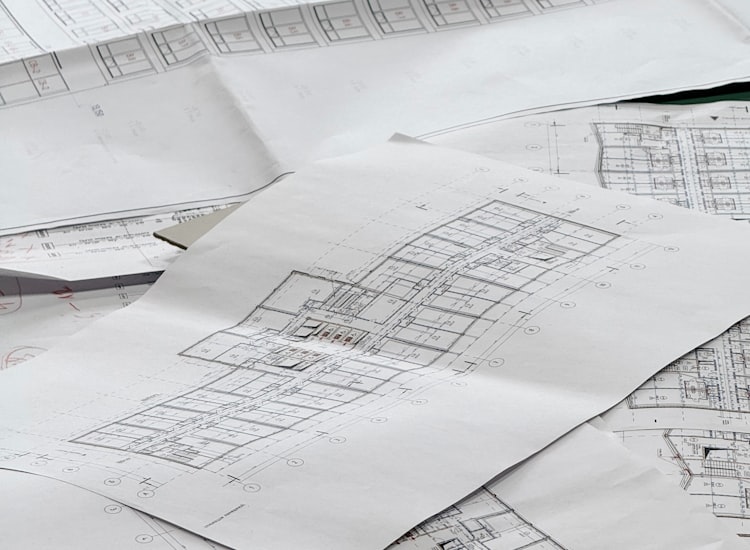
A custom home renovation lets you shape a house around exactly how you live, rather than settling for someone else’s floor plan. It takes more planning than a standard remodel, but the payoff is a home that finally fits. Here is how to approach the process from start to finish.
What Makes a Renovation “Custom”
A custom home renovation goes beyond swapping finishes or repainting walls. It usually involves reworking layouts, moving walls, or designing spaces around specific needs, such as a home office, an accessible bathroom, or an open-concept kitchen. Because every decision is tailored, the process demands closer collaboration between homeowner, designer, and contractor.
Starting With a Clear Vision
Before any work begins, take time to define what “custom” means for your home. Think through how your family actually uses each room, not just how it looks in photos. Write down non-negotiables, such as extra storage or better natural light, and separate them from nice-to-have wishes.
This clarity makes conversations with architects and contractors far more productive, since you can explain priorities instead of vague preferences.
Building the Right Team
A custom home renovation usually involves more than one professional. An architect or designer helps translate your vision into a workable floor plan, while a general contractor manages construction and coordinates subcontractors like electricians and plumbers.
Look for a team with experience in projects similar to yours. A contractor skilled in kitchen remodels may not be the best fit for a full structural renovation, so ask to see past projects that match your scope.
Setting a Realistic Budget
Custom work costs more than off-the-shelf renovations, largely due to design fees, custom materials, and unexpected structural issues. As a general rule, set aside 10 to 20 percent of your budget as a contingency fund for surprises behind the walls.
It also helps to prioritize spending. Splurge on elements you interact with daily, such as cabinetry or flooring, and save on items that are easier to upgrade later.
Planning the Renovation Timeline
Custom projects take longer than standard remodels because of design approvals, permitting, and custom orders. A single room might take a few months, while a whole-home renovation can stretch past a year.
Build in extra time for decision-making, especially for custom cabinetry, tile, or fixtures that require lead time to manufacture and ship.
Staying Involved Without Micromanaging
Regular check-ins with your contractor keep the project on track. Weekly updates, whether in person or by phone, help you catch issues early. That said, trust the professionals for technical decisions, and focus your input on design choices where your preferences matter most.
Final Thoughts
A custom home renovation rewards careful planning at every stage, from defining your vision to building the right team. Take the time upfront to get these decisions right, and the result will be a home built specifically around how you live. For more planning guides, browse our Home Improvement section, or see the National Association of the Remodeling Industry for help finding a qualified contractor.