Traditional interior design has never really gone out of style. While trends come and go, this approach relies on balance, classic furniture, and rich materials that age well. If you want a home that feels elegant without looking dated, this guide walks you through the key elements.
The Core Principles of Traditional Interior Design
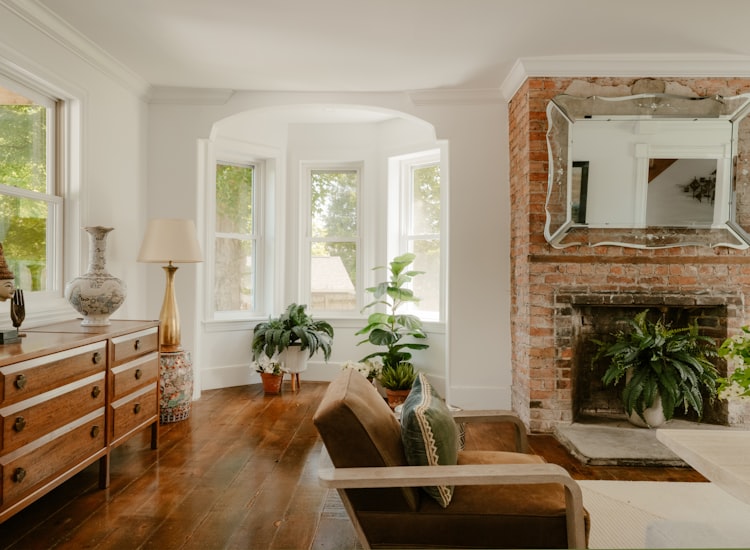
Traditional interior design leans on symmetry and order. Furniture is often arranged in matching pairs, and rooms follow a clear, balanced layout. In addition, this style favors rich wood tones, classic patterns, and refined details such as crown molding and wainscoting.
Common features include:
- Symmetrical furniture arrangements
- Dark or medium-toned wood furniture
- Classic patterns like florals, stripes, and damask
- Warm, layered color palettes
- Detailed trim work, including crown molding
Choosing Furniture for a Traditional Living Room
Start with a well-proportioned sofa in a solid or subtly patterned fabric. Pair it with two matching armchairs to create that classic symmetry. A wood coffee table with turned legs or carved details fits the style perfectly.
For seating fabric, velvet, linen, and leather all work well. Meanwhile, an area rug with a traditional pattern, such as an Oriental or Persian design, ties the whole room together.
Color Palettes That Work Well
Traditional interior design usually favors warm, grounded colors. Deep reds, forest greens, navy, and gold accents all read as classic. However, many homeowners today soften this palette with cream or soft gray walls, then add color through furniture and drapery instead.
This approach keeps the room from feeling too heavy, while still honoring the traditional aesthetic.
Lighting and Accessories
Lighting plays a bigger role than most people expect. A crystal or brass chandelier instantly signals traditional style, especially in a dining room or entryway. Table lamps with fabric shades add softer, layered light throughout the space.
For accessories, look for framed artwork in classic subjects, decorative mirrors with ornate frames, and collections of books or china displayed on open shelving. These small touches build character without overwhelming the room.
Traditional Interior Design in Smaller Spaces
You do not need a large house to use this style. In smaller rooms, choose one or two statement pieces, such as a wingback chair or an antique side table, rather than filling every corner. Keep wall colors light to maintain a sense of space, then add traditional details through trim, lighting, and textiles.
Final Thoughts
Traditional interior design rewards patience and attention to detail. It is not about filling a room with antiques; it is about creating balance, warmth, and a sense of permanence. Start with symmetry, add rich materials, and let classic details do the rest. For more inspiration, explore our Interior Design section, or read Architectural Digest’s guide to traditional design.