
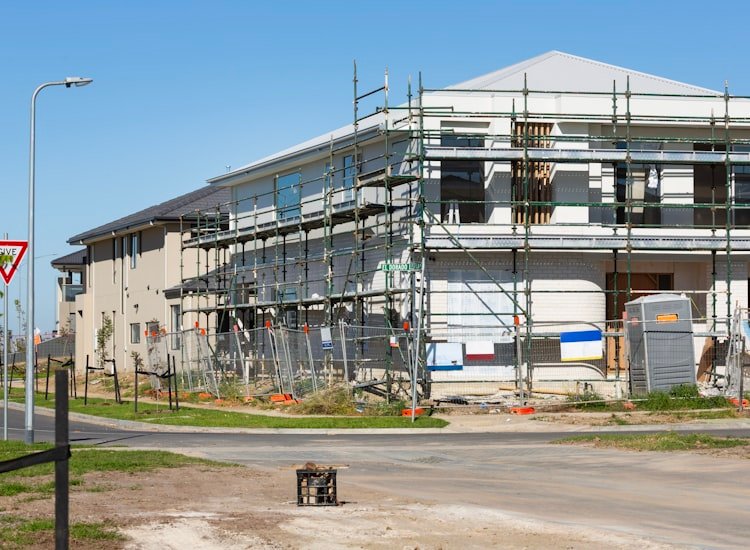
Building and construction can feel overwhelming if you have never managed a project before, especially with so many stages, permits, and trades involved. Whether you are planning new construction or a major addition, understanding the basic process helps you ask the right questions and avoid costly surprises. Here is a clear overview of how it all fits together.
The Main Stages of Building and Construction
Most construction projects follow a similar sequence, regardless of size. Understanding each stage helps you know what to expect and when:
- Planning and design: Architectural drawings, engineering, and permit applications
- Site preparation: Clearing, grading, and excavation
- Foundation: Pouring footings and the foundation slab or basement walls
- Framing: Building the structural skeleton, including walls and roof trusses
- Systems installation: Electrical, plumbing, and HVAC rough-in
- Finishing: Drywall, flooring, cabinetry, and final fixtures
Delays in one stage often push back everything that follows, which is why realistic scheduling matters from the start.
Permits and Inspections
Most building and construction projects require permits before work can legally begin, and inspections at key milestones to confirm the work meets code. Skipping this step, even on smaller projects, can create serious problems when it comes time to sell the property or file an insurance claim. Your contractor should handle permitting, but it is worth confirming this explicitly before signing a contract.
Choosing the Right Team
Larger construction projects typically involve a general contractor who coordinates subcontractors, such as electricians, plumbers, and framers. Smaller projects might only need one or two specialized trades. Either way, check references, confirm licensing and insurance, and get everything in writing before work begins.
Budgeting for Building and Construction
Construction costs vary enormously based on location, materials, and project scope. As a general rule, set aside 10 to 15 percent of your total budget as a contingency for unexpected issues, since older sites or unusual terrain often reveal surprises once digging begins. If your project includes older structures, our guide on home restoration covers additional considerations specific to renovating existing buildings.
Common Mistakes to Avoid
Many construction problems trace back to a few avoidable mistakes: unclear contracts, unrealistic timelines, and insufficient contingency budgeting. Get every change order in writing, and avoid making major decisions under time pressure. A clear, detailed contract upfront saves significant stress once work is underway.
Final Thoughts
Building and construction projects run more smoothly when you understand the process before work begins. Know the stages involved, confirm permits and licensing, and budget realistically for the unexpected. For more planning guidance, browse our custom home renovation guide, or see the National Association of Home Builders for additional resources.